Dessert Vanilla Sponge Cake
Highlighted under: Healthy Baking
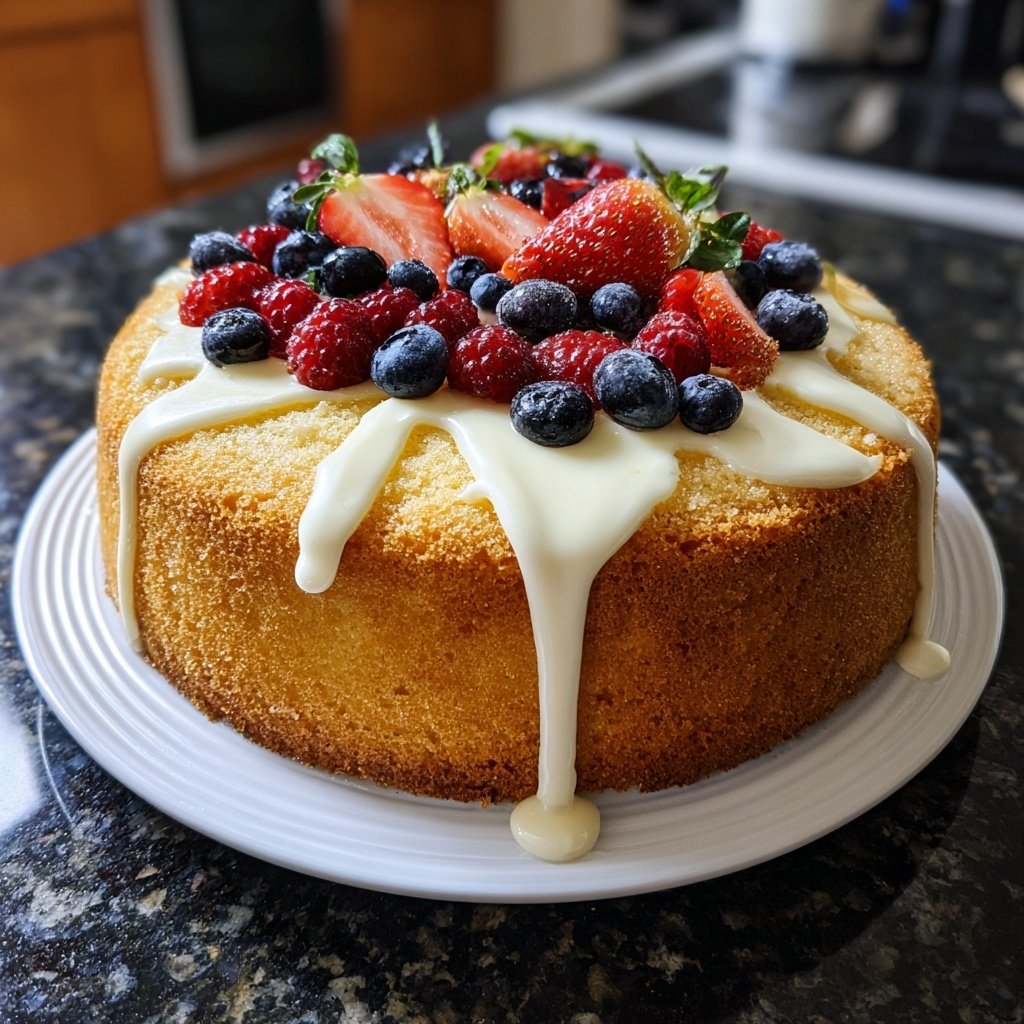
I absolutely adore making this Dessert Vanilla Sponge Cake for any occasion. Its light, airy texture is a delight, and the buttery vanilla flavor never fails to impress my guests. I love how simple the ingredients are, yet the results are astonishing. Whether layered with cream and fruit or served simply dusted with powdered sugar, this cake becomes a centerpiece at every gathering. In just a few simple steps, you can create a cake that feels both special and comforting—perfect for a cozy evening or a festive celebration.
When I first attempted to make a vanilla sponge cake, I was amazed at how straightforward the process is. The secret lies in beating the eggs until fluffy, which gives the cake its incredible rise. I quickly learned that using high-quality vanilla extract elevates the flavor, making each bite an indulgent experience. This cake has become my go-to recipe for entertaining!
One tip I've found particularly useful is to ensure all ingredients are at room temperature before mixing. This helps the batter come together smoothly, resulting in a beautifully even cake. The combination of a light crumb and rich vanilla taste makes it a treat I can't resist!
Why You'll Love This Dessert Vanilla Sponge Cake
- Light and fluffy texture that melts in your mouth
- Rich vanilla flavor that pairs perfectly with any frosting or fruit
- Versatile base for a variety of desserts or enjoyed plain
Mastering the Texture
Achieving the perfect light and fluffy texture in your Dessert Vanilla Sponge Cake relies heavily on the creaming method. When you cream the butter and sugar, you should aim for a pale, airy mixture—this indicates that you've incorporated enough air into the batter. Measuring your ingredients accurately, especially the flour, is crucial; too much flour can lead to a dense cake. For best results, use a kitchen scale to weigh the flour instead of relying on volume measurements.
Another key technique is to incorporate the eggs one at a time, ensuring each is fully blended before adding the next. This not only aids in emulsification but also contributes to the cake's lightness. Be mindful to mix the batter just until combined when adding the dry ingredients. Overmixing at this stage can introduce excess gluten, resulting in a tough texture instead of the delicate sponge you aim for.
Ingredient Insights
The role of vanilla extract in this recipe goes beyond flavor; it enhances the overall taste profile and complements the buttery notes in the cake. Opt for pure vanilla extract rather than imitation for a more authentic flavor. If you’re looking for a subtle twist, consider using vanilla bean paste or even infusing the butter with other flavors like almond or citrus zest before mixing, which can add a unique depth to your cake's taste.
Butter is another essential ingredient. The recipe calls for unsalted butter, which allows you to better control the salt content. Ensure that it's softened to room temperature before creaming; cold butter won't incorporate well, and you'll miss out on that light texture. If you're looking for a dairy-free option, you can substitute the unsalted butter with a plant-based butter or a blend of applesauce and coconut oil for a moisture-rich, lighter cake.
Storage and Serving Suggestions
Once baked, allow your Dessert Vanilla Sponge Cake to cool completely before storing. Wrap it in plastic wrap or store it in an airtight container to maintain its moisture if you’re preparing it in advance. The cake can be stored at room temperature for up to three days, or in the refrigerator for about a week. If you want to keep it longer, consider freezing it; simply slice it and wrap individual pieces tightly before placing them in a freezer bag—this way, you can enjoy a slice anytime without defrosting the whole cake.
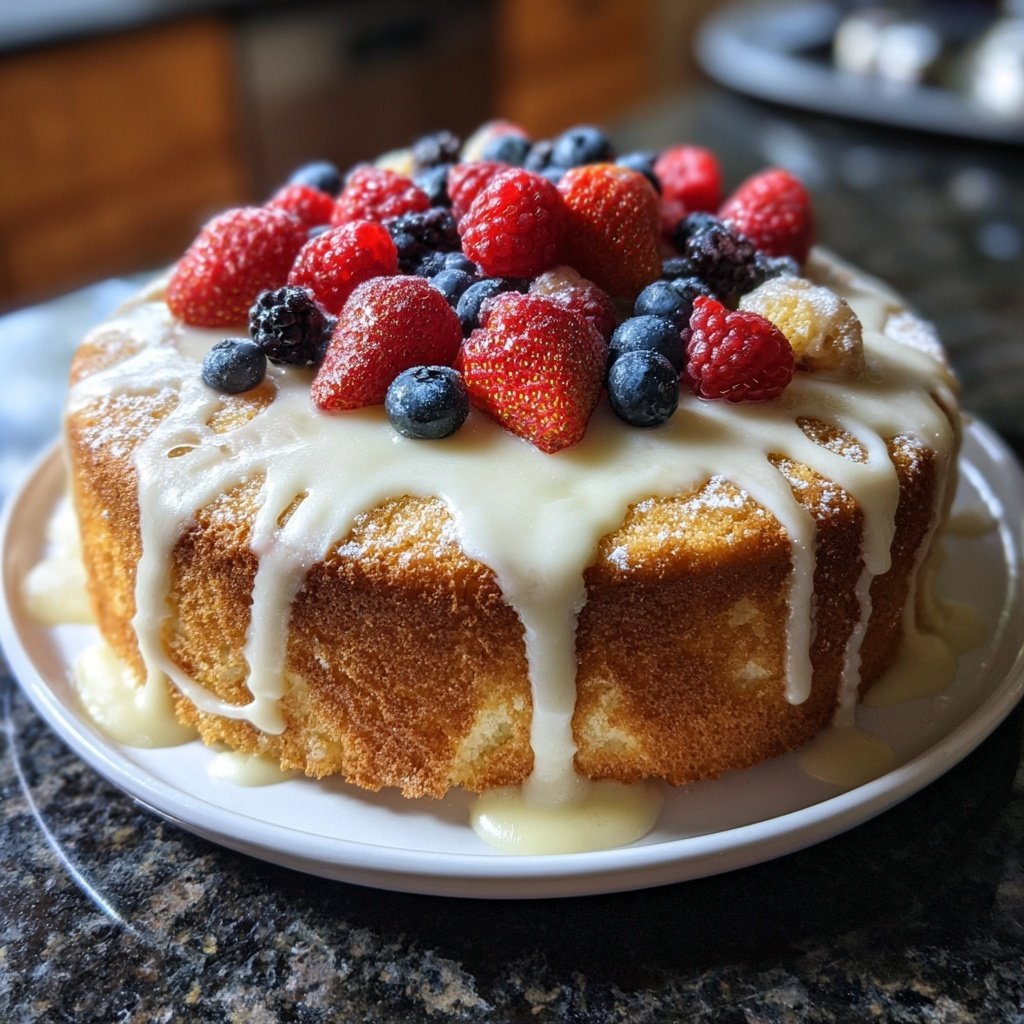
For serving, this vanilla sponge cake is incredibly versatile. It pairs beautifully with fresh fruits like berries or stone fruits, and a simple whipped cream topping can elevate its presentation. If you’re feeling adventurous, layer it with homemade custard or a light mousse for an impressive dessert. You can also turn it into a trifle by layering sponge pieces with fruit and cream—this creates an entirely different dessert experience while showcasing the cake's delightful texture.
Ingredients
Ingredients
For the Cake
- 1 cup all-purpose flour
- 1 cup granulated sugar
- 1/2 cup unsalted butter, softened
- 4 large eggs
- 1 teaspoon vanilla extract
- 1 teaspoon baking powder
- 1/4 teaspoon salt
Make sure all your ingredients are at room temperature for the best results.
Instructions
Instructions
Preheat the Oven
Preheat your oven to 350°F (175°C) and grease a 9-inch round cake pan.
Mix the Dry Ingredients
In a bowl, whisk together the flour, baking powder, and salt.
Cream Butter and Sugar
In a separate bowl, cream the softened butter and granulated sugar until light and fluffy.
Add Eggs and Vanilla
Add the eggs one at a time, beating well after each addition, then stir in the vanilla.
Combine Mixtures
Gradually add the dry ingredients to the wet mixture, mixing until just combined.
Bake the Cake
Pour the batter into the prepared cake pan and smooth the top. Bake for 25 minutes, or until a toothpick inserted in the center comes out clean.
Cool and Serve
Allow the cake to cool in the pan for 10 minutes, then turn it out onto a wire rack to cool completely before serving.
Frost or serve with fruit as desired.
Pro Tips
- For added flavor, try substituting half of the butter with coconut oil.
Troubleshooting Common Issues
If you find that your cake is rising unevenly or has a collapsed center, it may be due to overmixing or incorrect oven temperature. Always ensure your oven is properly preheated before placing the cake inside, and invest in an oven thermometer to verify the accuracy of the heat. Also, avoid opening the oven door frequently while baking; this can lead to fluctuations in temperature and affect the rise of your cake.
In case your cake comes out dry, it may have been overbaked. Keep an eye on the baking time and check for doneness a few minutes earlier than the suggested time. A toothpick should come out clean with a few moist crumbs attached, not completely dry. If you're worried about dryness, consider brushing the cooled cake with a simple syrup made of equal parts sugar and water to add moisture.
Scaling the Recipe
If you're planning to make a larger cake, this sponge recipe scales well. For a two-layer 9-inch cake, simply double the ingredients. Remember that the baking time may also increase slightly—monitor your cake closely as it bakes to prevent overbaking. Use a cake leveler to ensure even layers that stack perfectly, making your cake not just delicious but also visually appealing.
For smaller gatherings, you can halve the recipe to make a 6-inch round cake, which will still have that delightful airy texture. Adjust your baking time downward, starting at about 20 minutes and checking for doneness. A smaller cake size is also an excellent way to experiment with different fillings and frostings without committing to a larger bake.
Questions About Recipes
→ Can I substitute all-purpose flour with a gluten-free option?
Yes, you can use a 1:1 gluten-free flour blend, but the texture may vary slightly.
→ Is this cake suitable for freezing?
Absolutely! Wrap the cooled cake tightly in plastic wrap and freeze for up to 3 months.
→ What can I add to the batter for extra flavor?
You can add lemon zest or almond extract for a twist on the classic flavor.
→ How can I make this cake more decadent?
Layer the cake with whipped cream and fresh berries for a delicious dessert!
Dessert Vanilla Sponge Cake
Created by: The Chefbenbakes Team
Recipe Type: Healthy Baking
Skill Level: Beginner
Final Quantity: 8 servings
What You'll Need
For the Cake
- 1 cup all-purpose flour
- 1 cup granulated sugar
- 1/2 cup unsalted butter, softened
- 4 large eggs
- 1 teaspoon vanilla extract
- 1 teaspoon baking powder
- 1/4 teaspoon salt
How-To Steps
Preheat your oven to 350°F (175°C) and grease a 9-inch round cake pan.
In a bowl, whisk together the flour, baking powder, and salt.
In a separate bowl, cream the softened butter and granulated sugar until light and fluffy.
Add the eggs one at a time, beating well after each addition, then stir in the vanilla.
Gradually add the dry ingredients to the wet mixture, mixing until just combined.
Pour the batter into the prepared cake pan and smooth the top. Bake for 25 minutes, or until a toothpick inserted in the center comes out clean.
Allow the cake to cool in the pan for 10 minutes, then turn it out onto a wire rack to cool completely before serving.
Extra Tips
- For added flavor, try substituting half of the butter with coconut oil.
Nutritional Breakdown (Per Serving)
- Calories: 280 kcal
- Total Fat: 12g
- Saturated Fat: 7g
- Cholesterol: 95mg
- Sodium: 150mg
- Total Carbohydrates: 36g
- Dietary Fiber: 1g
- Sugars: 20g
- Protein: 4g