Seared Shrimp and Pea Pasta
Highlighted under: Bachelor Cooking
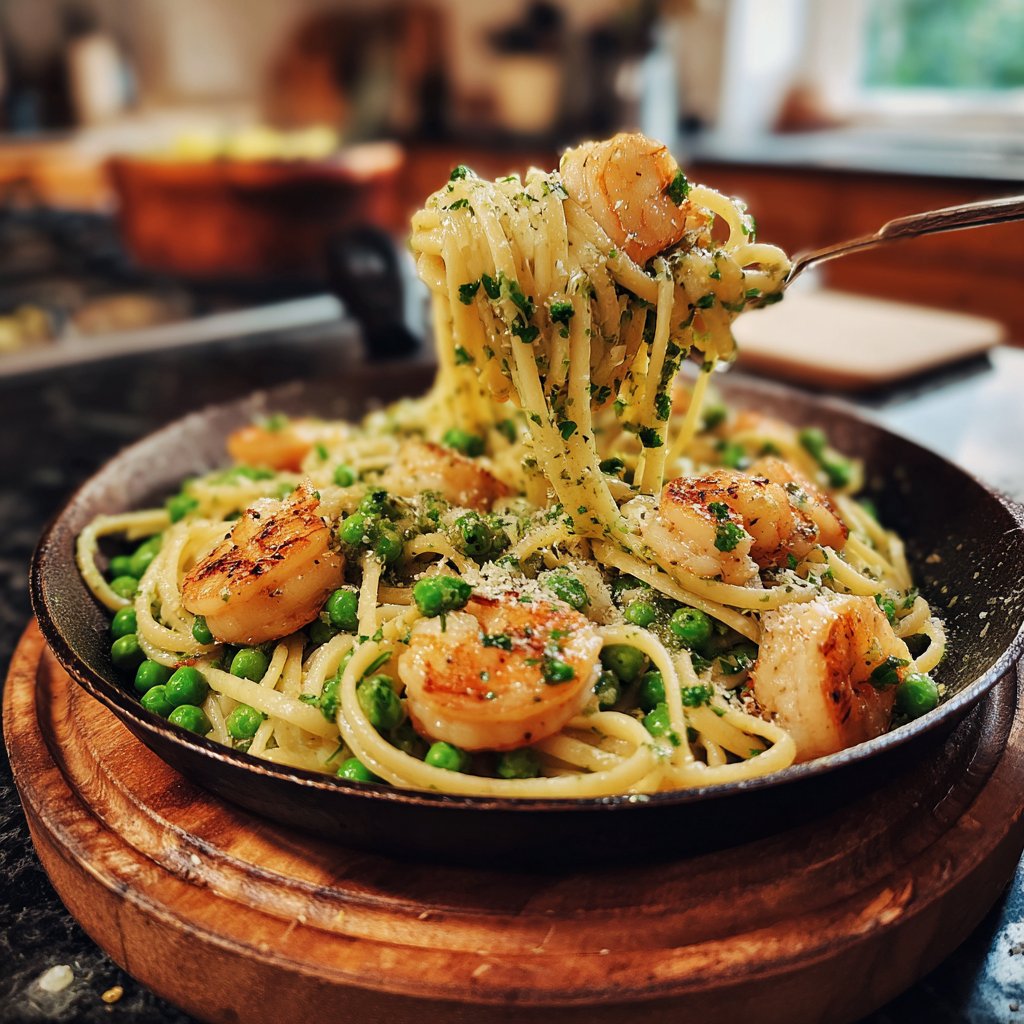
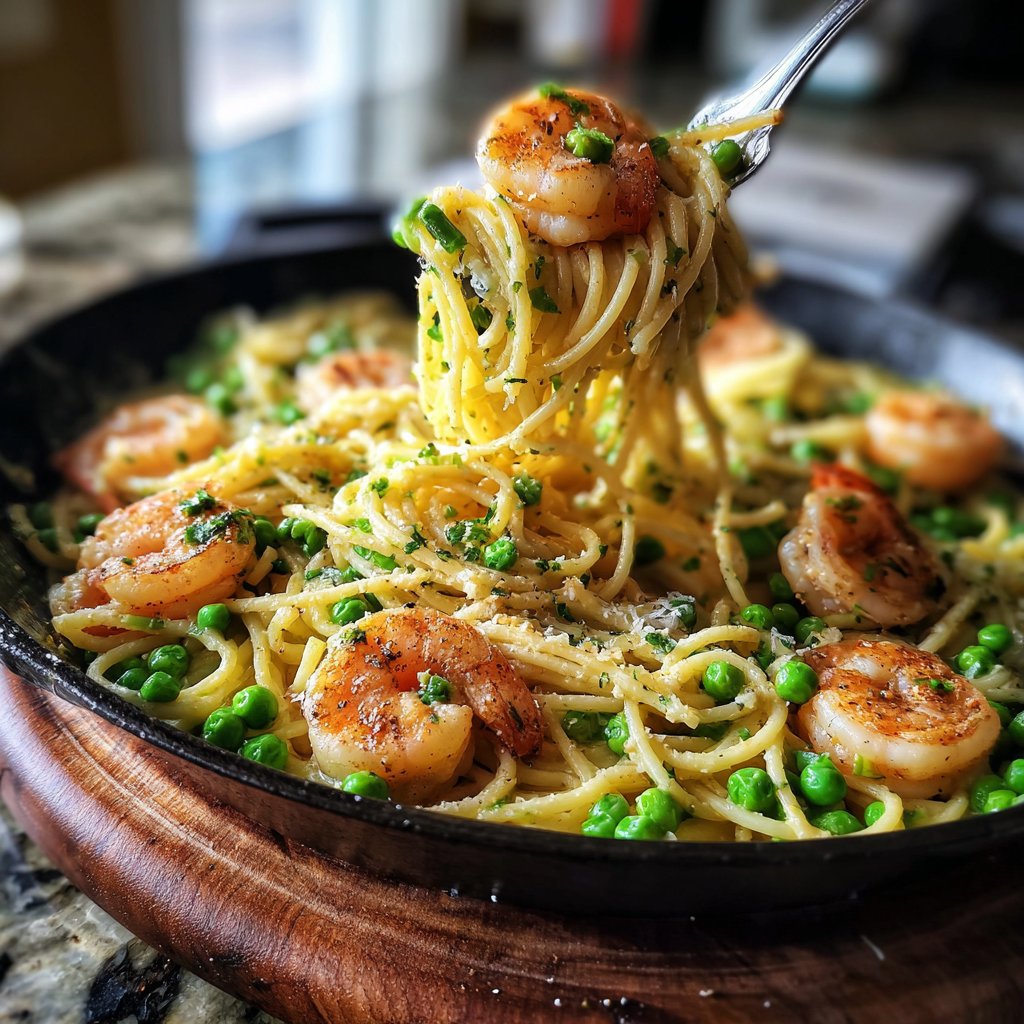
I love making Seared Shrimp and Pea Pasta because it combines the elegance of perfectly seared shrimp with the freshness of peas in a light, creamy sauce. This dish is not only quick to prepare, but it's also a great way to impress guests while still being easy enough for a weeknight dinner. The combination of flavors and textures creates a delightful meal that I find myself craving often. It's a fantastic option that beautifully balances sophistication with simplicity.
When I first tried making Seared Shrimp and Pea Pasta, I was amazed by how quickly delicious food could come together. The key is to ensure your shrimp are perfectly seared, which gives them a nice caramelization, enhancing their flavor. I love adding a splash of lemon juice just before serving; it adds a bright note that contrasts beautifully with the creaminess of the sauce.
While experimenting with different pasta types, I discovered that a short pasta like penne or fusilli works wonderfully. They catch the sauce and peas, ensuring every bite is bursting with flavor. Trust me, this dish elevates any dinner table with its vibrant colors and rich taste.
Why You'll Love This Recipe
- Perfectly seared shrimp create a delightful texture.
- Fresh peas add a pop of color and sweetness.
- Creamy sauce binds it all together beautifully.
- Quick and easy for weeknight dinners or entertaining.
Mastering the Art of Searing Shrimp
Achieving perfectly seared shrimp can elevate your dish and add a wonderful texture. Start with a dry shrimp, as excess moisture can prevent the sear from developing. For optimal results, I recommend using a cast-iron skillet or stainless-steel pan, which can withstand higher heat. Heat your skillet until it’s hot—around medium-high heat is perfect. Once you add the shrimp, resist the urge to move them around too much; letting them sit for a couple of minutes will help form that desirable golden crust.
Watch for color changes in the shrimp: they will turn pink and opaque, which typically takes about 2-3 minutes per side. Overcooking is a common pitfall; shrimp can become rubbery in texture if left on the heat too long. If they cook too quickly and start to curl excessively, reduce the heat immediately to prevent overcooking.
The Role of Cream and Citrus
The heavy cream in this recipe not only adds richness but also acts as a binder for the dish, creating a luscious sauce that coats the pasta and shrimp beautifully. If you're looking for a lighter option, consider substituting half of the cream with chicken or vegetable broth. This will still give you a creamy base while cutting back on richness. The key is to let it simmer gently after adding the cream, allowing it to thicken and develop a velvety texture without boiling.
Incorporating lemon zest and juice is crucial for balancing flavor in this dish. The acidity from the citrus brightens the creamy sauce and complements the sweetness of the shrimp and peas. For a more intense lemon flavor, you could add a bit more zest or even include a splash of white wine after sautéing the garlic, allowing it to cook off before adding the cream.
Serving and Storing Suggestions
When serving, it's not just about the plate; garnishing with fresh chopped parsley not only adds a pop of color but also freshens the palate. You might also consider serving this dish with a light side salad or crusty bread to soak up any extra sauce. If you want to go a step further, a sprinkling of freshly grated Parmesan cheese adds an appealing umami note and complements the creamy sauce.
To store leftovers, let the pasta cool completely before transferring it to an airtight container. It will keep well in the fridge for about 2-3 days. When reheating, do so gently in a skillet over low heat, adding a splash of water or cream to bring the sauce back to life. Freezing isn't ideal for this dish, as the cream might separate upon thawing, but you can freeze the shrimp separately if needed.
Ingredients
Here's what you'll need to make Seared Shrimp and Pea Pasta:
For the Pasta
- 10 oz pasta of your choice (penne or fusilli)
- 2 cups fresh or frozen peas
- 3 tablespoons olive oil
- 2 cloves garlic, minced
- 1 cup heavy cream
- Salt and pepper to taste
- Fresh parsley, chopped (for garnish)
- Zest and juice of 1 lemon
For the Shrimp
- 1 lb large shrimp, peeled and deveined
- 1 teaspoon paprika
- 1 teaspoon garlic powder
- Salt and pepper to taste
Make sure to gather all your ingredients for a smooth cooking process!
Instructions
Follow these steps to create a delicious Seared Shrimp and Pea Pasta:
Cook the Pasta
Bring a large pot of salted water to a boil. Add the pasta and cook according to package instructions until al dente. In the last 2 minutes of cooking, add the peas. Drain and set aside.
Prepare the Shrimp
In a bowl, toss the shrimp with paprika, garlic powder, salt, and pepper. Heat 2 tablespoons of olive oil in a large skillet over medium-high heat. Add the shrimp and sear for 2-3 minutes on each side or until pink and opaque. Remove the shrimp from the skillet and set aside.
Make the Sauce
In the same skillet, reduce the heat to medium and add the remaining tablespoon of olive oil and minced garlic. Sauté for about 30 seconds until fragrant. Pour in the heavy cream, and bring to a simmer. Stir in the lemon juice, zest, salt, and pepper to taste.
Combine Everything
Add the pasta and peas back into the skillet. Toss to coat in the sauce. Add the cooked shrimp and gently mix until everything is combined and heated through. Remove from heat.
Serve
Plate your Seared Shrimp and Pea Pasta, garnish with fresh parsley, and enjoy!
Bon appétit! Enjoy your meal!
Pro Tips
- To ensure your shrimp are perfectly seared, do not overcrowd the skillet. Cook in batches if necessary to achieve that nice golden color.
Ingredient Substitutions
If you're looking for a variation on the main protein, you can substitute shrimp with scallops or even diced chicken breast. Just adjust the cooking time accordingly; scallops will take about the same time as shrimp, while chicken should be cooked through until no longer pink (internal temperature of 165°F). For a vegetarian option, consider using sautéed mushrooms or tofu, which will absorb the creamy sauce beautifully.
In terms of pasta selection, while penne and fusilli are traditional choices, feel free to use whole wheat, gluten-free pasta, or even zoodles for a lighter take. Each option will provide a unique texture that pairs well with the creamy sauce.
Tips for Perfect Pasta
Cooking pasta to al dente is vital for the best texture. To achieve this, I usually set a timer for one minute less than the recommended cooking time on the package. This method allows the pasta to absorb some of the sauce as it finishes cooking, helping to enhance the flavors.
When draining the pasta, avoid rinsing it; the starches on the surface help the sauce adhere. If you do need to hold the pasta for a bit, consider reserving a small amount of pasta cooking water to add back to the dish, as it can help loosen up the sauce if it thickens too much.
Troubleshooting Common Issues
If the sauce seems too thick after adding the cream, simply whisk in a bit of reserved pasta water or more cream until it reaches your desired consistency. Conversely, if it’s too thin, let it simmer a bit longer to reduce and thicken without boiling, which can cause the cream to curdle.
For any unwanted clumps in your sauce, make sure you’re continuously stirring after adding the cream. If it does curdle, don’t panic; strain the sauce through a fine mesh sieve, and you can still salvage the dish by whisking in a little more cream over low heat.
Questions About Recipes
→ Can I use frozen shrimp?
Yes, you can use frozen shrimp. Just make sure to thaw them completely before cooking.
→ What can I substitute for heavy cream?
You can substitute heavy cream with half-and-half or a non-dairy alternative like coconut cream for a lighter version.
→ How do I store leftovers?
Store leftovers in an airtight container in the refrigerator for up to 2 days. Reheat gently on low heat.
→ Can I add other vegetables?
Absolutely! Feel free to add spinach, asparagus, or bell peppers for extra flavor and nutrients.
Seared Shrimp and Pea Pasta
Created by: The Chefbenbakes Team
Recipe Type: Bachelor Cooking
Skill Level: Intermediate
Final Quantity: 4 servings
What You'll Need
For the Pasta
- 10 oz pasta of your choice (penne or fusilli)
- 2 cups fresh or frozen peas
- 3 tablespoons olive oil
- 2 cloves garlic, minced
- 1 cup heavy cream
- Salt and pepper to taste
- Fresh parsley, chopped (for garnish)
- Zest and juice of 1 lemon
For the Shrimp
- 1 lb large shrimp, peeled and deveined
- 1 teaspoon paprika
- 1 teaspoon garlic powder
- Salt and pepper to taste
How-To Steps
Bring a large pot of salted water to a boil. Add the pasta and cook according to package instructions until al dente. In the last 2 minutes of cooking, add the peas. Drain and set aside.
In a bowl, toss the shrimp with paprika, garlic powder, salt, and pepper. Heat 2 tablespoons of olive oil in a large skillet over medium-high heat. Add the shrimp and sear for 2-3 minutes on each side or until pink and opaque. Remove the shrimp from the skillet and set aside.
In the same skillet, reduce the heat to medium and add the remaining tablespoon of olive oil and minced garlic. Sauté for about 30 seconds until fragrant. Pour in the heavy cream, and bring to a simmer. Stir in the lemon juice, zest, salt, and pepper to taste.
Add the pasta and peas back into the skillet. Toss to coat in the sauce. Add the cooked shrimp and gently mix until everything is combined and heated through. Remove from heat.
Plate your Seared Shrimp and Pea Pasta, garnish with fresh parsley, and enjoy!
Extra Tips
- To ensure your shrimp are perfectly seared, do not overcrowd the skillet. Cook in batches if necessary to achieve that nice golden color.
Nutritional Breakdown (Per Serving)
- Calories: 370 kcal
- Total Fat: 20g
- Saturated Fat: 10g
- Cholesterol: 180mg
- Sodium: 340mg
- Total Carbohydrates: 30g
- Dietary Fiber: 4g
- Sugars: 2g
- Protein: 20g